

The Honest Truth: Making your Artificial Lawn Hedgehog Friendly.

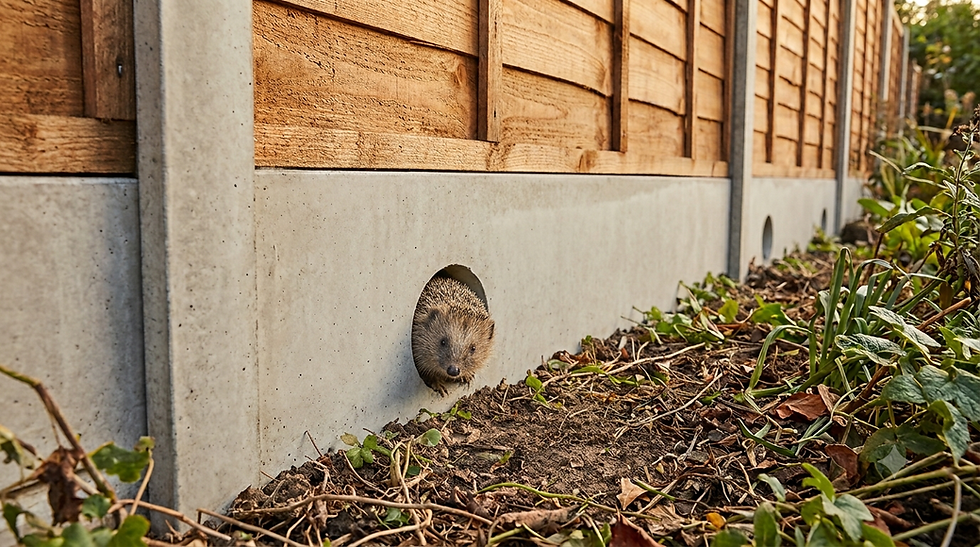
Let's not beat about the bush: artificial grass isn't great for hedgehogs, and if anyone tells you that it is, they are lying.
Whilst there are many benefits of artificial grass—low maintenance, no mud, and a year-round clean aesthetic—helping the hedgehog population isn't one of them.
Hedgehogs rely on foraging through natural soil and grass for beetles, worms, and caterpillars. When you replace natural turf with plastic, you remove their primary dining room.
This is an issue you can't ignore, because summer is the absolute most important time of year for hedgehogs.
During these months, they are highly active, mating, raising their vulnerable hoglets, and working desperately to build up the fat reserves they need to survive the winter.
When the weather gets hot and the ground dries up, natural food and water become incredibly scarce, making an artificial lawn an especially barren landscape for a hungry hedgehog.
So, what can you do to make your garden with artificial grass more hedgehog-friendly?
If you've made the switch, here are five practical ways to support our spiky visitors without tearing up your lawn.
1. Open up a "Hedgehog Highway"
Hedgehogs are serious wanderers, traveling up to two miles a night in search of food and a mate. If your garden is completely boxed in by solid timber fencing or gravel boards, they simply can't get in or out.
Create a "highway" by cutting a small 13 x 13 cm (5 x 5 inch) hole at the base of your fence. Because they won't find much to eat on the artificial grass itself, giving them a clear, safe passage through your yard to neighboring gardens is the single best thing you can do for them.
2. Pack Your Borders with Real Plants.
Just because the center of your lawn is artificial doesn't mean the perimeter has to be sterile. Dedicate the edges of your garden to deep, soil-rich borders or large planters.
Fill these areas with native, pollen-rich plants, shrubs, and hedges to attract beetles, caterpillars, and other insects. This creates a natural buffet around the edges of your lawn, giving hedgehogs a reason to visit and plenty of natural grubs to eat.
3. Build a Safe Haven for Nesting
Hedgehogs need secure, quiet spots to sleep during the day, raise their young in the summer, and hibernate through the winter. Since they can't burrow under or find leaf litter on artificial turf, you have to provide the shelter for them.
Set up a dedicated, sturdy hedgehog house in a quiet, shady corner of your borders. Alternatively, leave a dedicated "messy corner" by piling up logs, twigs, and dead leaves. Ensure this area is left totally undisturbed.
4. Serve Up Dinner and Drinks
Because the natural insect supply is severely reduced by the artificial surface—and even harder to find during the dry summer heat—you can step in and supplement their diet directly.
Leave out a shallow, heavy-bottomed dish of fresh water and a bowl of high-quality, meat-based wet dog or cat food (chicken is best).
Crucial rule: Never give them milk or bread. Milk causes severe digestive issues, and bread offers zero nutritional value.
5. Make Ponds and Drains Safe
Hedgehogs are surprisingly strong swimmers, but they will quickly exhaust themselves and drown if they can't climb out of steep-sided water features.
If your landscaping includes a garden pond, ensure there is a gently sloping edge, or add a sturdy ramp made of wood or mesh so they can easily scramble to safety.
Likewise, check your yard and garden to make sure any open drains or deep holes are securely covered.
The Takeaway:
You don't have to choose between a low-maintenance lawn and local wildlife. By making a few deliberate, nature-focused choices around the edges of your property, you can enjoy the pristine look of artificial grass without shutting nature out completely.


Comments