

From Muddy Paws to Pristine Lawns: Why Yorkshire is Going Artificial in 2026


If you live in Yorkshire, you know the drill. One minute it’s “reet grand” sunshine, and the next, a sudden downpour has turned your back garden into a boggy marsh. For homeowners from Sheffield to Skipton, maintaining a lush, green lawn is often a battle against the elements—and it’s a battle many are choosing to stop fighting.
As we move through 2026, the shift toward artificial grass has moved beyond just "convenience" and into a lifestyle choice. If you're weighing up whether to stick with the real stuff or make the switch, here is the ultimate breakdown of how they compare in the modern Yorkshire garden.
1. The Maintenance Marathon vs. The Saturday Morning Lie-In
The most obvious difference is the time commitment. Real grass in the UK requires a relentless cycle of mowing, weeding, feeding, and aerating.
Real Grass: Requires weekly attention during the growing season (March–October). Plus, there’s the struggle of finding a dry window in the Yorkshire weather to actually get the mower out.
Artificial Grass: Aside from an occasional brush to lift the pile or a quick rinse if you have pets, it’s virtually maintenance-free. You get your weekends back for a trip to the Dales or a proper Sunday roast.
2. Durability: Tackling "Yorkshire Weather"
Our region is famous for its "four seasons in one hour" climate. This can play havoc with a natural lawn.
Real Grass: Vulnerable to waterlogging in a wet winter and turning into a "yellow desert" during those increasingly frequent summer heatwaves. High-traffic areas (like where the kids play football or the dog runs) quickly turn into muddy "dead zones."
Artificial Grass: Modern 2026 turf technology—like the polyethylene blends popular this year—is designed for high-performance drainage. Water disappears through the permeable backing faster than it can on soil, meaning no puddles and, more importantly, no muddy footprints inside the house.
3. Aesthetics and "Instant Curb Appeal"
Let’s be honest: a perfectly manicured natural lawn looks incredible—for about three days after it's been mowed.
Real Grass: Hard to keep looking uniform. You’ll often deal with patches of clover, moss, and those pesky dandelions.
Artificial Grass: Today’s "Ultra-Realistic" ranges feature multi-tone fibers and a "dead-grass" thatch layer that mimics the look of a premium natural lawn so closely that your neighbors won’t know the difference. It stays a deep, healthy green 365 days a year, regardless of shade or sun.
4. Cost: Short-term vs. Long-term
In 2026, the average cost for a professional artificial grass installation in the UK ranges between £55 and £80 per m².
Real Grass: Cheap to install initially, but the costs add up: petrol for the mower, electricity, fertilizers, lawn treatments, and the eventual cost of re-turfing if it fails.
Artificial Grass: A higher upfront investment, but it typically pays for itself within 5–7 years through saved maintenance costs. Most high-quality installations now come with a 10–15 year warranty.
The 2026 "Eco-Balance" Tip
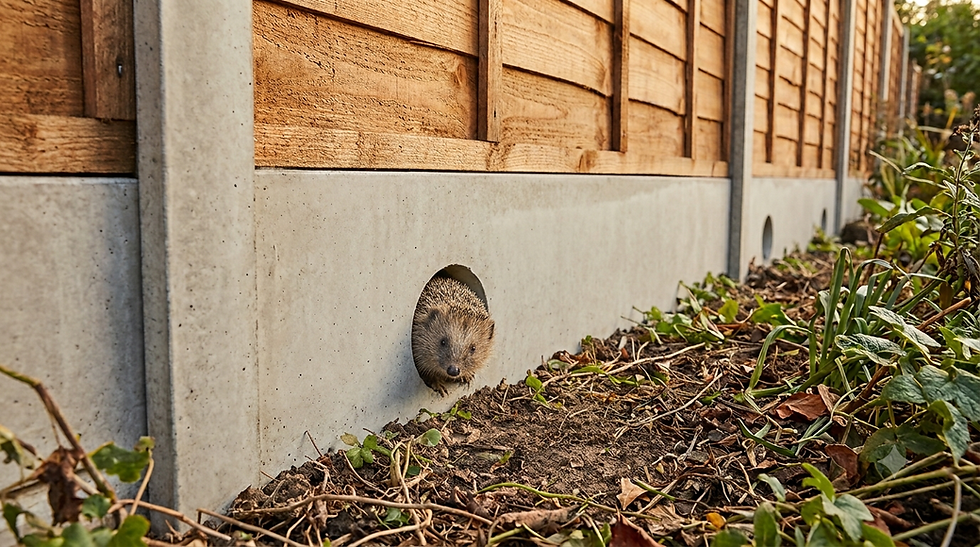
While artificial grass is the winner for convenience, many Yorkshire homeowners are now opting for a hybrid garden design. By installing artificial grass in the central "play zone" and surrounding it with wild-flower borders or native Yorkshire hedging, you get the best of both worlds: a pristine, mud-free area for the family and a biodiverse habitat for local bees and birds.
The Verdict: If you want a garden that works for you—not a garden you work for—artificial grass is the clear champion for the modern Yorkshire home.
Are you tired of the "muddy season" ruining your carpets, or are you looking to create a low-maintenance sanctuary this year?


Comments